Current Projects

They’re safe now.
So why can’t they sleep?

After trauma, the body’s alarm can stay on long after the danger is gone. For the foster youth and children we serve, a safe bed doesn’t switch it off.

Restore the Last puts calming technology inside the homes already caring for them, then shows you exactly what your gift did.

What trauma leaves behind

The danger

Over. They’re in a safe home now.

The body’s alarm

Still on. Hard to focus by day, hard to sleep at night.

18,000+

sessions delivered in El Salvador

26 of 28

people improved in our El Salvador study

49%

drop in symptoms after a single session

100%

of your gift goes to the work, never to overhead

What’s Wrong

It isn’t defiance. It’s a body still standing guard.

The body has an alarm that scans for danger without asking. After abuse, neglect, or being taken from home, it can stay switched on. It once kept them alive. It just hasn’t gotten the message that the danger is over.

And a stuck alarm doesn’t stay in one place. It follows them everywhere:

At night

Can’t fall asleep. Up at every sound.

At school

On guard, can’t focus, one bad moment from a fight.

On their own

Hard to hold a job, keep a roommate, or pass a driving test.

In therapy

Too keyed up for talking to help.

A safe bed, a caseworker, a therapist: they all matter. None of them can switch the alarm off. That’s the gap we fund.

What Helps

Calm can’t be ordered. It has to be restored.

You can’t talk a nervous system out of survival mode. So we fund technology that calms it directly: no medication, no talking, no reliving what happened. Then we put it where kids and young adults already live, in the hands of the staff who already care for them.

  1. Before

    The alarm is stuck on

    No sleep, no focus, no settling down.

  2. What we fund

    Calm the body directly

    A CalmBox or neurofeedback, right where they live.

  3. After

    Everything else can work

    Sleep, school, therapy, a job.

For every day

CalmBox

A small, portable device, FDA-cleared for anxiety and insomnia. When a kid’s alarm goes off, or a staff member’s does, they sit with it, and it calms them down in minutes.

$300 each

How one partner group uses it

  1. Proactive

    Before a hard moment

    Before a therapy session or a family visit, they sit with it first and walk in calm instead of braced.

  2. Reactive

    In the middle of one

    When a student is about to get into a fight, or something sets the alarm off, it brings them back down quickly.

  3. Rest

    At bedtime

    It helps a body that’s been on guard all day settle enough to sleep.

Staff use it too. A calm adult calms the room.

The Science, in Plain Words

It’s called neuromodulation.

A CalmBox uses cranial electrotherapy stimulation, or CES: a gentle current through small clips on the earlobes, often too faint to feel. It doesn’t force the brain into anything. It nudges the brain’s own rhythm toward calm.

Illustration: a fast, jagged brain rhythm settling into a slower, steadier one.
On alert: fast and jagged Settling: slower and steadier
Illustration, not a recording. During CES sessions, EEG recordings have shown the brain’s rhythm shifting slower.
  1. A gentle signal

    Small clips on the earlobes send a low-level current for about 20 minutes. No drugs, nothing invasive.

  2. The brain shifts gears

    Recordings taken during sessions show brain rhythms shifting slower, and brain scans show parts of the brain quieting down.

  3. The body follows

    The working theory: it eases the body’s fight-or-flight side so the rest-and-recover side can take over.

Safe

11 controlled trials, 794 people, no serious side effects.

The most common complaint was ear discomfort.

Tested

Across those trials, anxiety dropped more with CES than in the comparison groups.

From a 2022 review of the research.

The research is still growing. That’s one reason we measure every project and publish what we find.

Sources: Schroeder & Barr, Clinical Neurophysiology, 2001 · Feusner et al., Brain and Behavior, 2012 · Brunyé et al., Frontiers in Human Neuroscience, 2021 · Ching et al., Frontiers in Psychiatry, 2022

For deeper work

Direct Neurofeedback

Painless sessions with small sensors on the scalp, run on-site by trained staff. Nobody has to talk about what happened. In El Salvador, one system serves about 40 people a day.

Where It’s Working

This isn’t a theory. It’s already happening.

El Salvador · Children’s home

La Casa de mi Padre

26 of 28 improved

Children, house parents, and staff all get sessions. In our study, symptoms fell 49% after a single session and 74% by each person’s last. Sleep moved first and moved furthest. The El Salvador deployment has now delivered more than 18,000 sessions.

“Because it makes me feel more calm. It makes me feel safe.”

A teenager in the El Salvador program

Phoenix, Arizona · Aged-out foster youth

Thrive

10 driver’s licenses

Thrive’s campus is home to young adults who aged out of foster care. Neurofeedback has run there for about three years. Residents who couldn’t sleep, even somewhere safe, now sleep through the night, and talk therapy became productive for the first time. Alongside Thrive’s housing and support, 10 residents earned their driver’s licenses and 5 graduated high school.

“It’s not uncommon when we’re doing neurofeedback that suddenly they just start talking.”

Steve Vogel, President & CEO, Thrive

Where You Come In

Now you know how it works. Here’s how to get involved.

A CalmBox isn’t used once and put away. The kids and staff in a home share it, day after day, for years. So one gift keeps calming people long after you give it.

Do the Math

15 times a week, for 3 years

Over three years, that’s

2,340

sessions of calm, shared by the kids and staff in one home

13¢

per session

195

sessions covered by a $25 gift

An estimate, not a promise: 15 sessions a week × 52 weeks × 3 years. Real use varies by home, and every project report includes the actual count.

Pick a project ↓

Or give to the fund, and we’ll send it wherever a home is ready first.

Current Projects

Every project has a price, a place, and a finish line.

Pick one. When it’s funded, it closes, and you get the report.

$300 puts one CalmBox in a home: an estimated 1,560 to 3,120 sessions over three years.

Phoenix, Arizona

4 More CalmBoxes for Thrive

Aged-out foster youth, 18–25

Thrive is a 25-acre campus in Phoenix, Arizona for young adults who aged out of foster care — and this project puts 4 more CalmBoxes in their hands. A CalmBox is a small, portable device, FDA-cleared for anxiety and insomnia. Three years of neurofeedback on campus has already restored sleep, unlocked therapy, and helped 10 residents earn driver's licenses. The new units are portable, so sessions follow residents and staff wherever they are.

$300 funds 1 CalmBox

4 needed · $1,200 finishes the project

Fund a CalmBox

Your gift goes to this project.

See the details →
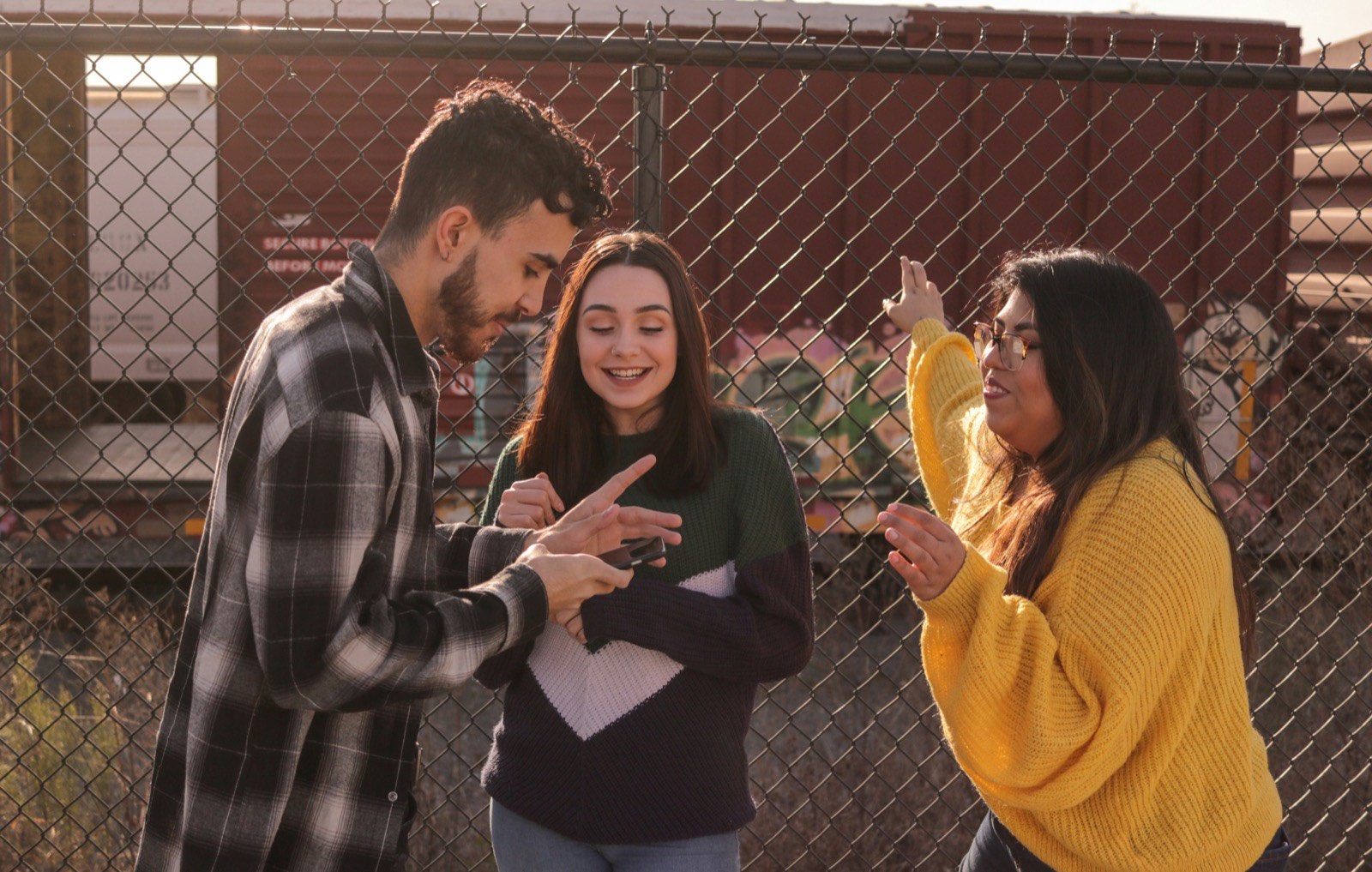
Phoenix, Arizona

3 CalmBoxes for a Phoenix Group Home

Foster care youth

Funds three CalmBoxes for a group home in Phoenix serving foster care youth. A CalmBox is a small, personal device, FDA-cleared for anxiety and insomnia. The kids will use them most around family visits, and staff will use them to stay steady for the kids.

$300 funds 1 CalmBox

3 needed · $900 finishes the project

Fund a CalmBox

Your gift goes to this project.

See the details →

Give Monthly

A CalmBox a year

$25 a month for 12 months

Twelve gifts of $25 add up to $300: one CalmBox, in a home that’s ready for it. Commit to a year and you put a new one in someone’s hands.

$25 a month × 12

= 1 CalmBox for a home

Give $25 a month

On the next screen, choose Recurring, then Monthly. Gifts go to the fund, and every $300 buys the next CalmBox.

Do the math →

Can’t pick one? You don’t have to.

Give to the fund and we move your gift to whichever home is ready first, so nothing sits waiting.

Give to the fund

What Happens Next

Here’s exactly what your gift does.

  1. You fund a project

    Pick one, or give to the fund. A gift to a project stays with that project.

  2. We buy it and get it there

    Equipment goes straight to the partner home. If a project is over-funded, the extra moves to the next home that’s ready.

  3. Their staff learn to use it

    Training is part of every project, so the people already caring for these kids can keep it running.

  4. You see what changed

    Updates as the work moves forward, including how many sessions it’s delivered, and an outcome report when it’s done.

Then you decide where your next gift goes.

Every dollar reaches the field.

Our founders and board cover Restore the Last’s operating costs out of their own pockets. Donations pay only for the work: equipment, training, and support at partner homes.

  • Named projects with published costs
  • Gifts to a project stay with that project
  • A report on every project we fund
  • 501(c)(3) nonprofit (EIN 42-3445245), so your gift is tax-deductible

The gap isn’t proof. It’s resources.

The technology works. The homes are already asking for it. The only thing missing is the money to get it there, and that’s the part you can close.

Fund a CalmBox

Rather not pick? Give to the fund, once or monthly →

Restore the Last is a 501(c)(3) nonprofit. Gifts are tax-deductible to the extent allowed by law. EIN 42-3445245.

For Organizations

Run a home or program for people carrying trauma? We fund the technology, the training, and the support.

Apply for funding →